 |
Bungala Ridge Permaculture Gardens REDUCE ... REUSE ... RECYCLE ... REPAIR ... RETURN ... REVEGETATE ... REPLENISH |
||||||||
|
|||||||||
|
|
Permaculture Techniques - Composting Description Where dead organic matter is selectively and deliberately broken down, at an accelerated rate, by rotting due to the action of micro-organisms, worms, termites and other small creatures, to harvest nutrients for use by living plants in the garden.
Composting can take any proportion, from small units to large operations, depending on materials available and quantity of compost required. Care should be taken to ensure the carbon to nitrogen ratio in the compost is between 25 and 30. Benefits
Procedure Aerobic composting methods include any compost bin or pile not sealed and open to the atmosphere allowing oxygen using micro-organisms to decompose the material. These include:
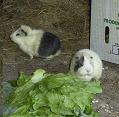
Through the action of animals (including worms, insects, etc) involves feeding the organic materials to selected animals for processing into manure suitable for direct application (as is or made into a "tea") as fertiliser. Animals used can included:
Anaerobic composting, where oxygen is excluded to promote the use of organisms which in effect ferment the material, includes:
Recently Rebecca wrote to me and said she was doing some research online with her daughter Katie, and she came across this article http://www.movoto.com/buyers-tips/compost , which "had alot of helpful information on getting started composting at home". Rebecca and Katie thought "it was a great find by her and wanted to share it" on my website "for people who are just getting into gardening like us!" Thank you for sharing your tip Katie! Kate recommends this article to our readers Composting at Home.
|
Hot Links!
This site is sponsored by
|
|||||||
 |
|||||||||
|
|
|
|
|||||||
|
|||||||||